
Uncategorized
Marijuana March Tokyo 2026
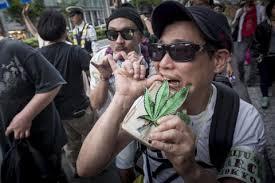
Mar
Marijuana March Tokyo 2026: A Cultural and Legal Snapshot
Since the late 1990s, cannabis advocacy events have become significant in many parts of the world. One such event with a long history is Marijuana March Tokyo, Japan’s local expression of the Global Marijuana March—an annual series of rallies and gatherings held worldwide to raise awareness and promote reform around cannabis laws and culture.
The Tokyo event has taken place most years since the early 2000s and is part of a larger network of marches that began in 1999 with gatherings calling for cannabis law reform and social justice. Although Tokyo’s legal and social environment is vastly different from many other cities where cannabis rallies occur, the march reflects a persistent desire among activists to discuss change and education around the plant.
What Is Marijuana March Tokyo?
Marijuana March Tokyo is a local chapter of the Global Marijuana March movement—an international rally that brings together cannabis supporters, reform advocates, and curious onlookers. Globally, these marches take place each May, often on the first Saturday of the month, and encompass parades, demonstrations, music, and educational outreach.
In Tokyo and Japan, the event has historically been more of a peaceful demonstration and cultural gathering rather than a mass festival. Attendance and visibility can vary from year to year, and the march is associated with advocacy for reform, normalization, and public discussion, despite the country’s strict laws.
Legal and Social Context in Tokyo
Understanding Marijuana March Tokyo requires grasping the legal realities of cannabis in Japan.
Japan has some of the strictest cannabis laws in the industrialized world. Possession, use, cultivation, and sale of cannabis containing THC remain illegal, and recent legislative changes have even criminalized the use itself, carrying potential penalties including imprisonment.
Tokyo police made headlines with arrests related to cannabis use following amendments that came into effect in late 2024, marking a more aggressive enforcement stance.
This environment creates a backdrop where advocacy marches like Marijuana March Tokyo are not celebrations of recreational cannabis use, but rather political demonstrations pushing for reconsideration, reform, and public education—often emphasizing caution, legal limits, and societal impact.
What People Are Saying About the 2026 Event
As of early 2026, discussions about Marijuana March Tokyo tend to focus on a few key themes:
Advocacy and Awareness
Participants and organizers highlight the march as an opportunity to raise awareness about cannabis law reform and stigma, especially in a country where public sentiment and legal penalties remain highly restrictive. Many followers of the movement note that even if recreational use is not legal, conversations about policy, medical applications, and decriminalization are gaining traction in small circles.
Cautious Participation
Online community conversations from previous years indicate that many people interested in attending approach the event cautiously due to legal risks. Some have emphasized attending fully sober and focused on advocacy, not consumption, to avoid any legal trouble while still making their voices heard.
This reflects a broader understanding among participants that the march itself functions as political expression, not a public space for cannabis use.
Youth and Cultural Perspectives
Tokyo, like other global cities, has a younger generation increasingly exposed to international cannabis culture through music, media, fashion, and travel. This generational shift doesn’t necessarily correspond to broad legalization support, but it does create broad curiosity and debate among younger adults and subcultures.
How the Event Fits Within Global Cannabis Movements
Although Japan’s legal landscape differs dramatically from countries where cannabis is legal, Marijuana March Tokyo connects to an international movement for reform and rights. In many cities, similar marches involve parades, speeches, educational booths, and cultural performances—raising consciousness about issues like social justice, medical access, and responsible policy.
This global context helps explain why advocates in Tokyo continue to hold the march, even in the face of strict enforcement: it’s less a party and more a symbolic protest and educational effort.
Key Considerations for Visitors and Participants
If you’re learning about or considering participating in Marijuana March Tokyo 2026, it’s important to approach it with awareness:
- Cannabis laws are strict: Use, possession, and even trace presence can lead to legal consequences.
- Participation is political: The march is primarily a demonstration, not a recreational gathering.
- Stay informed: Follow local organizers’ official announcements for updates on timing and location.
- Respect local norms: Japan’s societal stigma around cannabis remains strong in most communities.
Conclusion
Marijuana March Tokyo 2026 represents an intersection of global cannabis activism and local cultural context. It’s a space where advocates, curious observers, and community members gather to push for reform and education against a backdrop of stringent laws and social stigma. While Tokyo’s legal framework remains one of the toughest in the world for cannabis use and possession, the continued presence of the march signals an ongoing conversation and grassroots interest in questioning and discussing policy.
FAQs: Marijuana March Tokyo 2026
1. What is Marijuana March Tokyo?
An annual demonstration linked to the Global Marijuana March movement to raise awareness about cannabis policy and reform.
2. When does the 2026 event take place?
Traditionally in early May as part of the Global Marijuana March schedule.
3. Is cannabis legal in Tokyo?
No—possession, use, and sale remain illegal under Japan’s strict laws.
4. Can visitors legally consume cannabis at the event?
No. Consumption remains illegal and can result in severe penalties.
5. What do participants do at the march?
They walk, speak, and advocate for policy discussion and reform, emphasizing education and awareness.
6. Why hold it in Tokyo?
To connect local activism with a global movement and promote dialogue in a strict legal environment.
7. Are there arrests associated with cannabis in Tokyo?
Yes—Tokyo police have made arrests since cannabis use became criminalized.
8. How do locals view cannabis culture?
Public sentiment remains largely conservative, though younger generations show curiosity influenced by global trends.
9. Should visitors attend?
If attending, focus on advocacy and awareness rather than use, and respect local law.
10. Is the march a large party?
No; it’s primarily a demonstration with cultural and political expression
