
psychedelics
MDA Rock: Effects, Risks, History, Science, and Legal Status
Dec
MDA is a psychoactive substance belonging to the amphetamine family, chemically related to MDMA. While sometimes discussed in online communities, it is important to approach the topic from an educational and harm-reduction perspective. This article explores MDA’s effects, science, history, safety, and legal status.
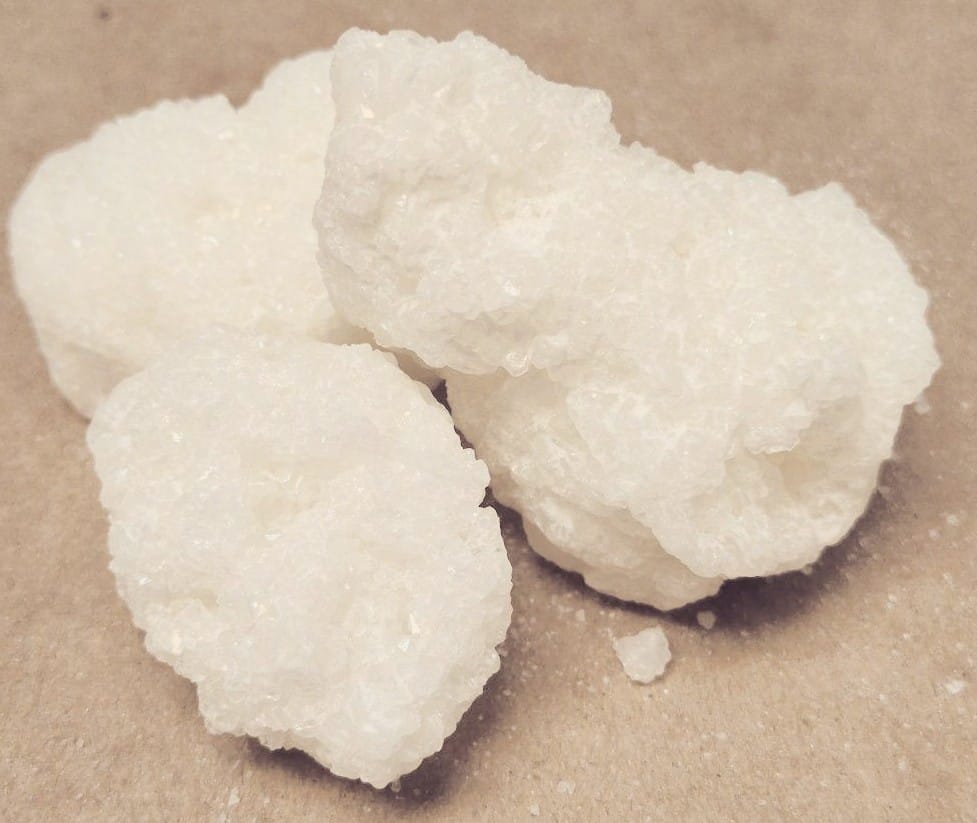
MDA (3,4-Methylenedioxyamphetamine) is a synthetic psychedelic and stimulant. The “rock” form typically refers to a solid crystalline appearance, but like all street terms, it is informal and not scientifically standardized. MDA is often associated with recreational use, but discussions about it are increasingly educational and research-oriented.
History and Cultural Context of MDA rock
1960s–1970s: MDA was first synthesized and experimented with in clinical research, including studies on psychotherapy and mental health.
Over time, recreational use spread, often under street names like Sass, Sassafras, or Sally.
Cultural interest in MDA continues, with attention to its psychoactive effects, social use, and place in the broader history of psychedelics.
How MDA Rock Works: The Science
MDA Rock primarily affects the serotonin, dopamine, and norepinephrine systems in the brain:
Serotonin: Influences mood, perception, and emotional responses
Dopamine: Affects reward, motivation, and pleasure
Norepinephrine: Impacts energy, focus, and cardiovascular responses
This combination produces its characteristic psychedelic, euphoric, and stimulant effects, while also creating potential risks.
Physical Effects:
Increased heart rate and blood pressure
Muscle tension and jaw clenching
Nausea or mild dizziness
Cognitive Effects:
Altered perception and heightened sensory awareness
Enhanced introspection or thought patterns
Temporary changes in judgment or decision-making
Emotional Effects:
Euphoria and empathy
Emotional openness or intensity
Possible mood swings or anxiety
Effects vary by dose, individual physiology, and environment. Unsupervised use increases unpredictability.
Safety and Harm Reduction of MDA rock
Because MDA is potent and unpredictable, harm-reduction education is critical:
Avoid mixing with alcohol or other drugs
Be aware of cardiovascular and psychological risks
Seek professional guidance for mental health concerns
Understand that street substances may be adulterated
Education, context, and awareness are essential for minimizing risk.
MDA is classified as a controlled substance in most countries:
USA: Schedule I controlled substance
UK: Class A drug
Canada & Australia: Prescription-only or illegal for recreational use
Legal consequences for possession, distribution, or production are severe. Research use is tightly regulated.
Research and Modern Interest of MDA rock
MDA Rock continues to be studied in controlled environments:
Psychedelic-assisted psychotherapy research
Understanding serotonin-dopamine interactions
Potential insights into mood, empathy, and perception
Public health agencies focus on educational outreach, safe practices, and accurate scientific knowledge rather than recreational promotion.
FAQ: MDA Rock
Q1: What is MDA Rock?
MDA is a solid crystalline form of MDA, a synthetic stimulant and psychedelic.
Q2: What effects does MDA produce?
Effects include euphoria, empathy, altered perception, increased energy, and cardiovascular changes.
Q3: Is MDA Rock legal?
No. MDA is a controlled substance in most countries; recreational use is illegal.
Q4: What are the risks when taking MDA?
Risks include heart strain, anxiety, confusion, overdose, and potential long-term psychological effects.
Q5: Are there research applications?
Yes. MDA is studied under controlled, ethical conditions for psychotherapy and neuroscience research.
Q6: What harm-reduction measures exist
Education on dosage, avoiding dangerous combinations, and mental health awareness are key for minimizing risk.
Conclusion
MDA Rock is a potent psychoactive substance with a rich history, complex effects, and strict legal controls. While its crystal form and street terminology make it a topic of curiosity, the most reliable way to understand it is through research, public health education, and awareness of risks and legality. Knowledge and harm reduction remain essential for safety and informed discussion.
