
psychedelics
ketamine liquid
Dec
Ketamine Liquid: Effects, Risks, History, and Legal Status
Ketamine is a powerful anesthetic and research substance that has evolved over decades from medical use to modern therapeutic applications. In its liquid form, commonly referred to as ketamine liquid, it is primarily used in hospitals, clinics, and controlled research settings. This article provides an educational overview of its effects, history, risks, and legal considerations.
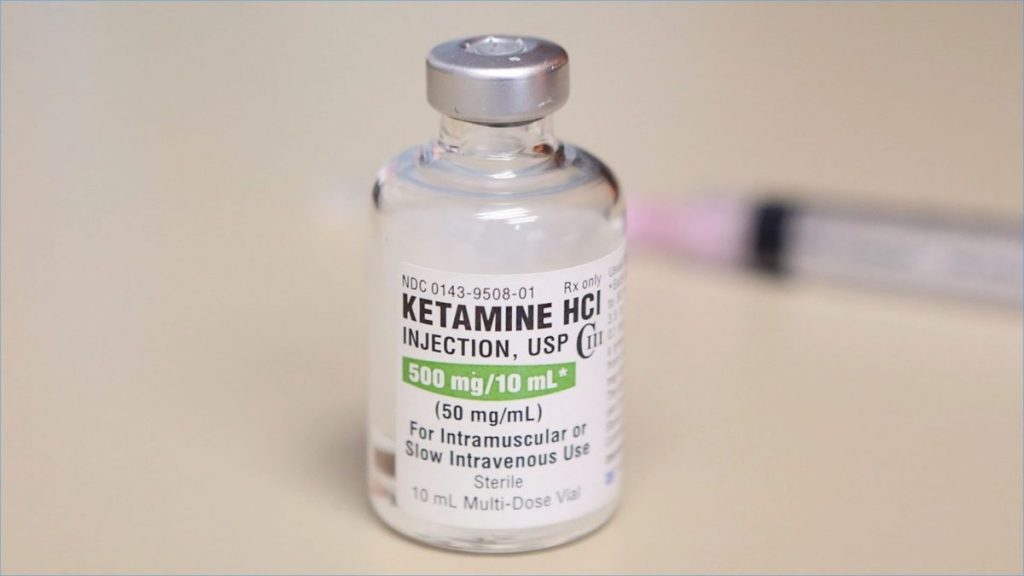
Ketamine liquid is a pharmaceutical formulation of ketamine, often administered intravenously or intramuscularly in medical contexts. It is known for its dissociative anesthetic properties, meaning it can create a feeling of detachment from the body and environment while providing pain relief and sedation.
Unlike informal street forms, medical ketamine liquid is precisely dosed and regulated, ensuring safety when administered under professional supervision.
1962: Ketamine was first synthesized as a safer alternative to phencyclidine (PCP) for anesthesia.
Early use focused on surgical anesthesia due to its rapid onset and minimal respiratory depression.
Over time, researchers discovered its psychoactive and dissociative effects, prompting studies in pain management, mental health, and psychiatric therapy.
Today, ketamine liquid is used in controlled settings for treatment-resistant depression, PTSD research, and chronic pain management.
Ketamine acts primarily on the NMDA receptor, a type of glutamate receptor in the brain. Its mechanism of action affects:
Perception: Altered sensory input and dissociation
Cognition: Changes in thought patterns and awareness
Mood: Can induce rapid antidepressant effects in some patients
These effects vary depending on dose, individual sensitivity, and administration method.
Physical Effects:
Sedation and pain relief
Nausea or dizziness in some cases
Increased heart rate or blood pressure
Cognitive Effects:
Altered thought patterns
Temporary dissociation or out-of-body sensations
Emotional Effects:
Mood improvement in controlled clinical settings
Heightened emotional awareness or introspection
Effects are short-term under medical supervision, but misuse can lead to negative outcomes.
Risks and Safety Considerations when taking ketamine
Although ketamine is safe when administered professionally, misuse carries risks:
Short-term: dizziness, nausea, confusion
Long-term: potential bladder irritation, tolerance, or psychological dependency
Recreational use: unpredictable effects, unsafe dosing, legal consequences
Education, supervision, and awareness are key to minimizing harm.
Legal Status of Ketamin Liquid
Ketamine is classified as a controlled substance globally:
USA: Schedule III controlled substance
UK: Class B controlled drug
Canada & Australia: Prescription-only, controlled
Recreational possession or use is illegal in most countries, while research and medical use are permitted under strict regulations.
This legal framework ensures ketamine is used safely and ethically in clinical and research contexts.
Why People Search for Ketamin Liquid
Online interest often focuses on:
Medical uses and dosing of ketamine
Therapeutic research (depression, PTSD)
Effects on mood, perception, and cognition
Legal considerations and harm-reduction information
FAQ: Ketamine Liquid
Q1: What is ketamin liquid used for?
Primarily anesthesia, pain management, and treatment-resistant depression therapy under medical supervision.
Q2: Is ketamine liquid legal?
Yes, for approved medical or research purposes; recreational use is illegal in most countries.
Q3: What are the main effects of ketamine?
Sedation, dissociation, altered perception, and mood changes.
Q4: Can ketamine liquid be abused?
Yes, unsupervised or recreational use carries physical and psychological risks.
Q5: How is ketamine administered safely?
Intravenously or intramuscularly under professional medical supervision, with precise dosing.
Q6: What is ketamine’s mechanism in the brain?
It primarily affects NMDA receptors, altering glutamate signaling and producing dissociative and mood-related effects.
Conclusion
Ketamine liquid is a versatile substance with important medical and research applications. Its effects include sedation, dissociation, and mood alterations, while its history spans from anesthesia to cutting-edge psychiatric therapy. Understanding risks, legal status, and scientific research is essential for public awareness and harm reduction.
