
Uncategorized
Cocaine Today: Trends, Risks, and Public Health Challenges
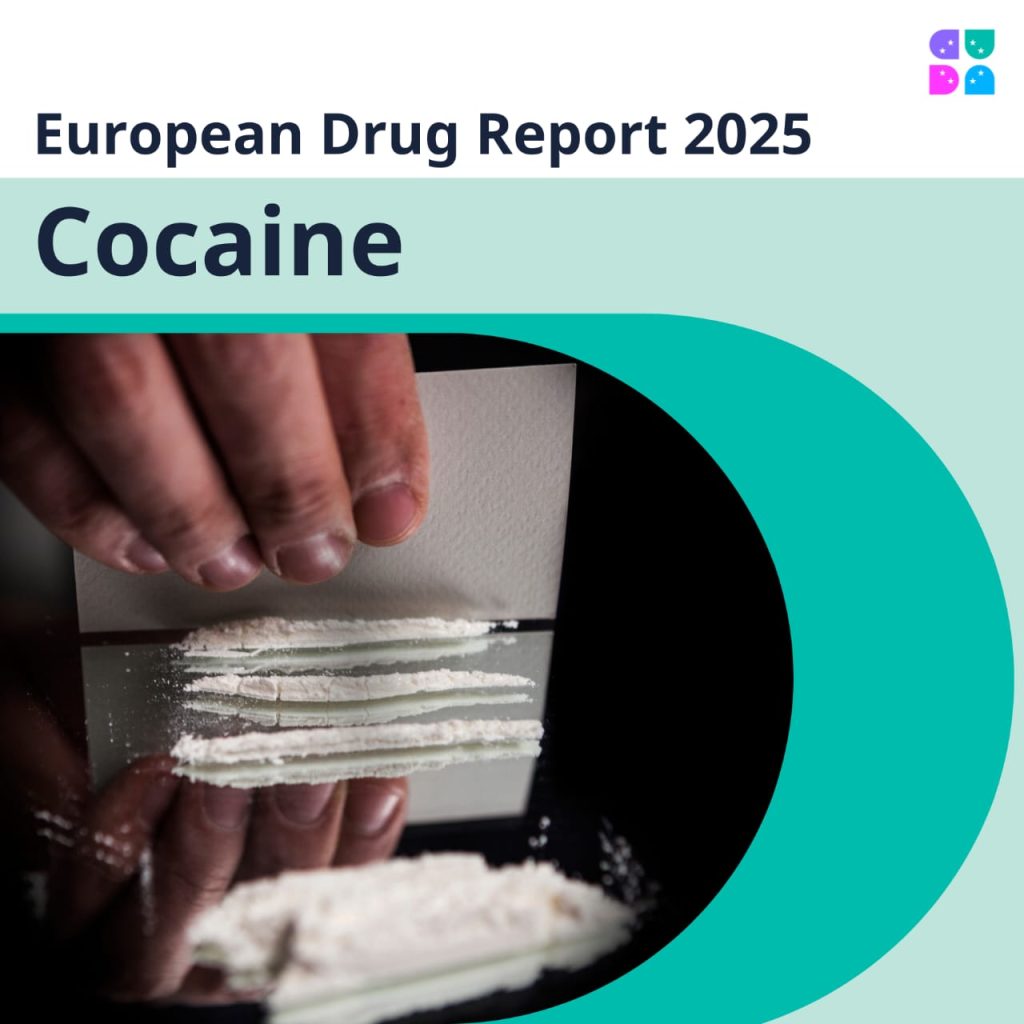
Dec
Cocaine remains one of the most discussed illicit drugs worldwide, not just because of its history or chemistry but due to its rapidly evolving patterns of use, law‑enforcement action, and public health impact. Recent data show that cocaine production, consumption, and harm are continuing to grow in surprising ways, affecting diverse populations and societies far beyond traditional stereotypes.
Global Production and Use on the Rise in cocaine
According to the United Nations Office on Drugs and Crime (UNODC), global cocaine production and consumption reached record levels in 2023, with an estimated 25 million users worldwide and production increasing dramatically. North America, Western and Central Europe, and South America are among the largest consumer regions.
The World Health Organization (WHO) has also emphasized continuing concerns about coca leaf and cocaine production. Though coca leaf has traditional uses in parts of South America, it remains under strict international control due to its ease of conversion into cocaine and associated public health risks.
Cocaine Use Patterns Are Changing
Cocain is no longer limited to specific subcultures. In France, recent research shows that cocain use has expanded from elite circles to broader segments of the population, including working professionals dealing with stress and workload pressures. This shift includes changes in methods of consumption, such as moving from snorting to inhaling, which may raise addiction risk.
In Ireland, cocaine has become a leading drug for those seeking treatment, accounting for nearly 40% of drug treatment cases in 2024—more than opioids or cannabis—reflecting both increased use and heightened health system demand.
European health data also point to cocaine as Europe’s most commonly used stimulant, with millions of adults reporting use in recent years. This widespread availability is mirrored by large seizures at ports and rising detection in wastewater, signaling broad consumption trends.
New Concerns Across Age and Road Safety on cocaine
Recent reports also show shifting demographics and risks:
Older adults (including people in their 60s, 70s, and 80s) are increasingly being hospitalized for cocaine‑related issues, highlighting that no age group is immune to harm.
In Ireland, there has been a significant rise in cocaine being detected alongside cannabis in drivers, underscoring road safety challenges linked to impaired driving.
These trends underscore that cocaine use intersects with public safety and healthcare systems, not just illicit markets.
Law Enforcement and Seizures on cocaine
Police activity continues worldwide, with major seizures and arrests linked to cocaine trafficking. In Scotland, authorities recently dismantled an operation involving £8 million worth of cocain, resulting in multiple arrests and court proceedings.
These actions reflect ongoing organized‑crime involvement in cocaine distribution, even as broader patterns of use shift culturally and demographically.
Cocaine Public Health Implications
The data paint a complex picture: increasing availability and broader user profiles coincide with higher treatment demand and new safety issues such as impaired driving and age‑related vulnerability.
Health systems are responding with expanded treatment programs and harm‑reduction initiatives, but experts emphasize that education, early intervention, and targeted support are essential to reduce cocain‑related harm.
Conclusion
Cocain is far from a static issue. Today it represents a growing public health challenge across regions and populations, driven by record global production, changing patterns of use, and evolving societal contexts. Understanding these trends through data and research is critical for policymakers, healthcare professionals, and communities aiming to reduce harm and support affected individuals.
