
Blog
Legal cannabis states vs illegal states
May
Legal Cannabis States vs Illegal States: What You Need to Know
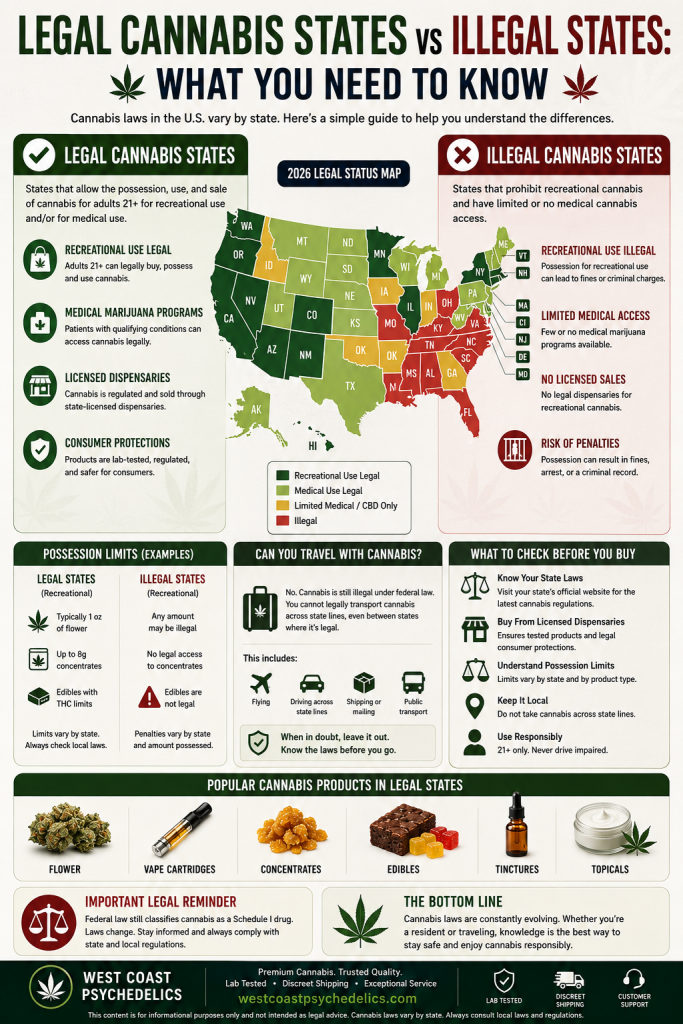
Cannabis laws across the United States continue evolving rapidly. In 2026, many states now allow recreational cannabis, while others still maintain strict restrictions or limited medical marijuana programs. Because cannabis laws differ significantly from state to state, consumers must understand local regulations before purchasing, possessing, or using cannabis products.
Today, millions of Americans legally buy cannabis flower, concentrates, edibles, tinctures, and CBD products from licensed dispensaries. However, confusion still exists regarding:
- Recreational legalization
- Medical marijuana laws
- Possession limits
- Interstate transportation
- Online cannabis purchases
Understanding the difference between legal and illegal cannabis states helps consumers stay informed and avoid legal complications.
This guide explains how cannabis laws work in the United States, the differences between legal and illegal states, medical versus recreational cannabis access, and what cannabis consumers should know in 2026.
Why Cannabis Laws Differ Across the United States
Cannabis laws in America operate at both:
- State level
- Federal level
Although many states legalized cannabis in some form, cannabis still remains federally illegal under U.S. federal law.
As a result:
- Each state creates its own cannabis regulations
- Possession rules vary widely
- Purchase limits differ
- Product availability changes by location
Therefore, consumers should always verify local cannabis laws before buying or traveling with cannabis products.
What Is a Legal Cannabis State?
A legal cannabis state allows adults to purchase or use cannabis under state-regulated laws.
Legal cannabis states usually permit:
- Recreational cannabis
- Medical marijuana
- Licensed dispensaries
- Cannabis product sales
- Regulated cultivation
Most recreational cannabis states allow adults over age 21 to:
- Purchase cannabis flower
- Buy edibles
- Access concentrates
- Possess limited quantities
Recreational Cannabis States
Recreational cannabis legalization continues expanding across America.
Many states now permit adult-use cannabis sales through licensed dispensaries. Consumers in legal recreational states can typically purchase:
- Flower
- Edibles
- Concentrates
- Vape cartridges
- Pre-rolls
- CBD products
However, purchase limits and consumption rules still vary by state.
Some states allow:
- Home cultivation
- Public consumption lounges
- Cannabis delivery services
Others maintain stricter restrictions.
What Is a Medical Marijuana State?
Medical marijuana states allow cannabis access for approved medical patients.
Patients usually need:
- Medical authorization
- State registration
- Qualifying health conditions
Medical cannabis programs often provide access to:
- Higher possession limits
- Specialized cannabis products
- Tax advantages
- Stronger potency options
Medical marijuana programs continue expanding in many states that have not fully legalized recreational cannabis.
What Is an Illegal Cannabis State?
Illegal cannabis states still prohibit recreational cannabis possession and sales.
Some illegal states:
- Allow limited CBD use
- Maintain restrictive medical programs
- Criminalize recreational possession
Penalties may include:
- Fines
- Criminal charges
- Product confiscation
Because laws vary significantly, consumers should never assume cannabis legality across all states.
Why Cannabis Consumers Must Understand State Laws
Cannabis legality changes dramatically depending on location.
For example:
- One state may fully legalize cannabis
- Another may prohibit possession entirely
Consumers should understand:
- Possession limits
- Consumption restrictions
- Transportation laws
- Age requirements
- Public use regulations
Remaining informed helps consumers avoid unnecessary legal risks.
Can You Travel Between States With Cannabis?
Interstate cannabis transportation remains legally complicated.
Even when two neighboring states legalized cannabis, transporting cannabis across state lines may still violate federal law.
Consumers should avoid:
- Flying with cannabis
- Crossing state borders with products
- Mailing cannabis products illegally
Always review local regulations before traveling.
Difference Between Hemp and Cannabis
Many consumers confuse:
Hemp Products
Hemp usually contains:
- Low THC levels
- CBD-focused cannabinoids
Federal hemp laws differ from marijuana laws in many states.
Marijuana Products
Cannabis products containing higher THC levels remain regulated differently under state laws.
How Cannabis Legalization Changed the Industry
Cannabis legalization transformed the industry significantly.
Modern legal cannabis markets now include:
- Licensed dispensaries
- Lab-tested products
- Professional cultivation
- Product safety standards
- Educational resources
Consumers now have access to:
- Premium flower
- Solventless concentrates
- CBD-rich strains
- Wellness-focused products
Legal markets also improve:
- Product transparency
- Consumer safety
- Quality control
Why Lab Testing Matters in Legal Markets
Licensed dispensaries usually sell:
- Lab-tested cannabis
- Verified cannabinoid percentages
- Safety-screened products
Testing helps verify:
- THC levels
- CBD content
- Contaminant safety
- Product consistency
Consumers should avoid unverified cannabis products from unreliable sources.
How to Buy Cannabis Safely Online
Consumers purchasing cannabis online should prioritize:
- Trusted dispensaries
- Product transparency
- Professional customer support
- Verified product descriptions
- Lab-tested inventory
Reliable cannabis retailers help consumers access:
- Premium flower
- Edibles
- Concentrates
- CBD products
Trusted online cannabis sources like West Coast Psychedelics provide consumers with premium cannabis products, educational resources, and transparent product information.
Common Cannabis Products Available in Legal States
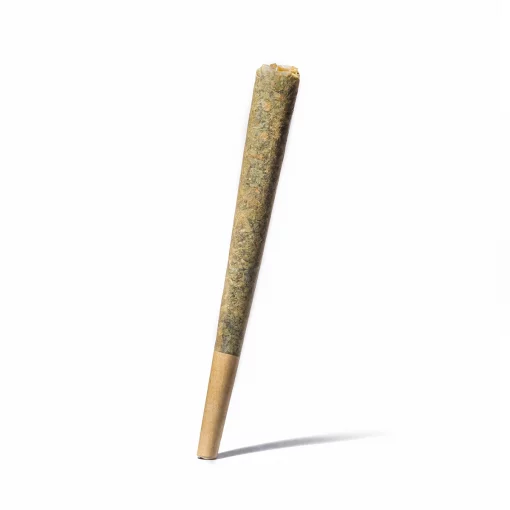
Modern dispensaries now carry:
Consumers increasingly prioritize:
- Terpene quality
- Lab testing
- Balanced cannabinoids
- Organic cultivation
Cannabis Taxes and Regulations
Legal cannabis states usually apply:
- Cannabis taxes
- Packaging regulations
- Age restrictions
- Advertising rules
Licensed businesses must follow:
- Product testing requirements
- Safety compliance
- Inventory tracking
These regulations help improve consumer protection.
Cannabis Legalization Trends in 2026
The cannabis industry continues evolving rapidly.
Major trends now include:
- Expanding legalization
- Increased medical access
- CBD wellness growth
- Solventless concentrates
- Cannabis education
- Premium craft flower
Many states continue reviewing legalization policies as public support grows.
Important Tips for Cannabis Consumers
Know Local Laws
Always research:
- State regulations
- Possession limits
- Consumption restrictions
Buy From Trusted Sources
Professional dispensaries help ensure:
- Product safety
- Accurate labeling
- Better consistency
Avoid Illegal Transportation
Transporting cannabis across state lines may remain federally restricted.
Use Responsibly
Responsible cannabis use improves:
- Safety
- Product experience
- Consumer confidence
Conclusion
Cannabis laws in the United States continue changing rapidly in 2026. While many states now allow recreational or medical cannabis access, others still maintain strict cannabis restrictions. Because cannabis legality differs significantly across America, consumers should always understand local laws before purchasing, possessing, or transporting cannabis products.
Legal cannabis markets now offer:
- Safer products
- Lab-tested flower
- Better transparency
- Professional dispensaries
- Educational support
Consumers should always prioritize:
- Trusted cannabis retailers
- Product safety
- Responsible purchasing
- Local legal compliance
Reliable cannabis dispensaries like West Coast Psychedelics help consumers access premium cannabis products with greater confidence, consistency, and transparency.
Frequently Asked Questions
1. What is a legal cannabis state?
A legal cannabis state allows regulated cannabis use through recreational or medical marijuana laws.
2. Are all U.S. states legalizing cannabis?
No. Some states fully legalized cannabis, while others still prohibit recreational use.
3. What is the difference between recreational and medical cannabis?
Recreational cannabis is available for adult use, while medical cannabis requires patient authorization.
4. Can consumers travel between states with cannabis?
Transporting cannabis across state lines may violate federal law, even between legal states.
5. Why do cannabis laws vary by state?
Each state creates its own cannabis regulations despite ongoing federal restrictions.
6. What products are sold in legal dispensaries?
Legal dispensaries commonly sell flower, concentrates, edibles, tinctures, and CBD products.
7. Why is lab testing important for cannabis?
Lab testing verifies product safety, potency, and contaminant screening.
8. Can consumers buy cannabis online legally?
Online cannabis purchases depend on local state laws and dispensary regulations.
9. What should consumers look for in trusted dispensaries?
Consumers should prioritize lab-tested products, transparency, customer support, and product consistency.
10. Where can consumers find premium cannabis products online?
Trusted retailers like West Coast Psychedelics provide premium cannabis products with reliable quality standards.
