
psychedelics
Mescaline Powder Explained
Dec
Mescaline Powder explained: A Clear, Evidence-Based Overview
Mescaline powder is one of the earliest known psychedelic compounds studied by science and used in human cultures. Despite its long history, mescaline remains less publicly understood than other psychedelics. This article presents a clear, factual overview of mescaline, focusing on its nature, effects, cultural role, and broader context.
What Is Mescaline Powder?
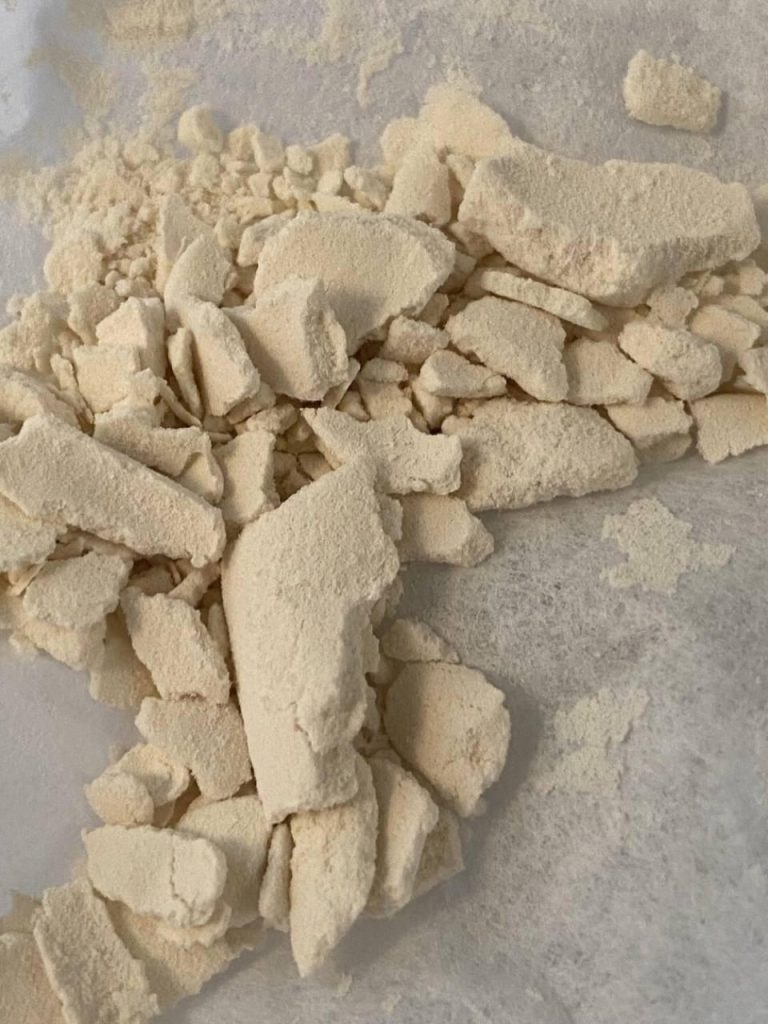
Mescaline is a naturally occurring psychedelic alkaloid found in certain cactus species, most notably peyote (Lophophora williamsii) and San Pedro (Echinopsis pachanoi). Mescaline powder refers to the isolated chemical compound rather than the whole plant form.
Chemically, mescaline belongs to the phenethylamine class. Its structure allows it to interact with serotonin receptors in the brain, influencing perception, cognition, and emotional processing.
How Mescaline Affects the Brain
Mescaline primarily acts on serotonin receptors, especially the 5-HT2A receptor. This receptor is closely linked to sensory perception, imagination, and self-awareness.
Neuroscience research suggests that mescaline temporarily alters communication between brain regions that regulate attention and meaning-making. These changes help explain why mescaline experiences often feel introspective rather than purely visual.
How Mescaline Effects Are Commonly Described
Reports of mescaline effects vary widely, but commonly described experiences include:
Changes in visual and sensory perception
Heightened introspection
Emotional openness or sensitivity
Altered perception of time
Shifts in thought patterns
Mescaline effects are highly individual and influenced by psychological state, environment, and personal expectations.
How Mescaline Differs From Other Psychedelics
Mescaline is often compared to substances such as LSD and psilocybin, but there are notable differences:
Mescaline duration is generally long-lasting
Mescaline onset tends to be gradual
Mescaline experiences are often described as reflective and emotionally grounded
These distinctions place mescaline in a unique category among classic psychedelics.
Why Mescaline Experiences Vary Between Individuals
Mescaline experiences are shaped by multiple variables, including:
Individual brain chemistry
Mental and emotional state
Physical and social environment
Prior experiences with altered states
This variability explains why mescaline is often described as unpredictable, even among individuals with similar expectations.
Mescaline and Psychological Aftereffects
After mescaline experiences, some individuals report lingering emotional or cognitive changes. These may include reflection, emotional sensitivity, or shifts in perspective.
These aftereffects are usually temporary but highlight the importance of psychological integration rather than focusing solely on the immediate experience.
Mescaline Integration and Meaning-Making
Mescaline integration refers to the process of understanding and contextualizing the experience afterward. This may involve reflection, journaling, or discussion.
While often overlooked, integration is essential for processing mescaline-related experiences in a healthy and constructive way.
Mescaline in Cultural and Historical Context
Mescaline has deep roots in Indigenous spiritual traditions, particularly among Native American communities. Peyote ceremonies have been practiced for generations and emphasize healing, discipline, and communal responsibility.
Understanding mescaline requires acknowledging this cultural history rather than viewing it solely through a modern scientific lens.
Mescaline Legal Status Worldwide
Mescaline is classified as a controlled substance in many countries. Legal status varies depending on jurisdiction, with some regions allowing limited ceremonial or religious use.
Because laws differ globally, mescaline discussions should always consider regional legal frameworks.
Mescaline in Scientific Research
Compared to other psychedelics, mescaline is less studied in contemporary research. However, historical data and renewed interest in psychedelic neuroscience continue to inform understanding of how mescaline influences perception and consciousness.
Researchers are particularly interested in mescaline’s effects on cognition and emotional processing.
Mescaline Safety and Public Health Considerations
From a public-health perspective, mescaline discussions focus on:
Mental health context
Emotional readiness
Environmental influences
Psychological aftereffects
Educational approaches emphasize awareness and risk understanding rather than promotion.
Common Misconceptions About Mescaline
Several myths persist about mescaline, including:
That mescaline is always intensely visual
That natural origin guarantees safety
That all mescaline experiences are transformative
Clarifying these misconceptions helps promote balanced understanding.
Mescaline FAQs
Is mescaline natural or synthetic?
Mescaline is naturally occurring but can exist in isolated chemical form.
Does mescaline affect everyone the same way?
No, mescaline effects vary widely between individuals.
Is mescaline used in modern therapy?
It is not currently as widely researched as some other psychedelics.
Is mescaline legal everywhere?
No, mescaline legality varies by country and cultural context.
Mescaline Conclusion: Understanding Without Hype
Mescaline occupies a unique position at the intersection of neuroscience, culture, psychology, and law. A responsible understanding of mescaline requires moving beyond myths and focusing on evidence, context, and respect for its historical roots.
Education, not exaggeration, remains the most reliable way to approach conversations about mescaline in the modern world
