
psychedelics
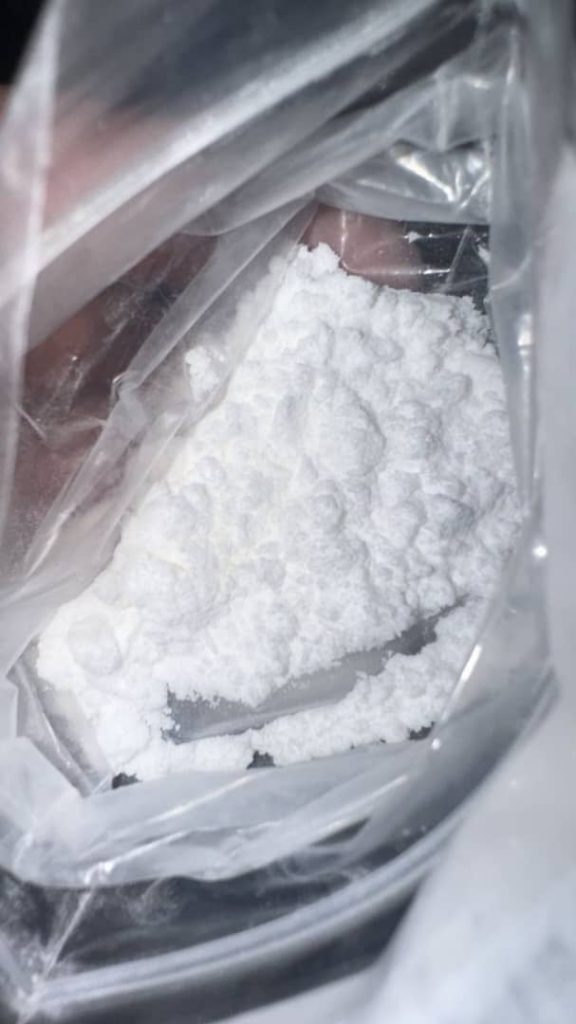
O-DSMT powder explained
Dec
O-DSMT Powder: What It Is, How It Works, and Why Awareness Matters
O-DSMT powder, short for O-Desmethyltramadol, is a substance increasingly mentioned in discussions around opioids, research chemicals, and emerging drug trends. Although closely related to the prescription medication tramadol, O-DSMT is a distinct compound with its own effects, risks, and legal considerations. Understanding it from a scientific and public-health perspective is essential.
O-DSMT is the primary active metabolite of tramadol, meaning it is the compound produced in the body after tramadol is processed by the liver. Research shows that O-DSMT is largely responsible for tramadol’s opioid-like pain-relieving effects.
Unlike tramadol, O-DSMT itself is not widely approved as a medication and is most often referenced in toxicology reports, pharmacology studies, and discussions of novel psychoactive substances.
From a pharmacological standpoint, O-DSMT acts mainly on mu-opioid receptors, the same receptors involved in pain relief, sedation, and euphoria with other opioids. This explains why it is associated with effects such as:
Analgesia (pain reduction)
Sedation and relaxation
Changes in mood and perception
Compared to tramadol, O-DSMT has much weaker effects on serotonin and norepinephrine, making its action more purely opioid in nature.
O-DSMT is often discussed because it appears to be more potent than tramadol, milligram for milligram. This increased potency has drawn attention in research, emergency medicine, and harm-reduction communities.
However, higher potency also means greater risk, particularly when the substance is unregulated or taken without medical oversight.
O-DSMT Risks and Safety Concerns
Like other opioids, O-DSMT carries serious health risks. Public-health data and clinical reports highlight concerns such as:
Respiratory depression, which can be life-threatening
Dependence and addiction potential
Withdrawal symptoms after repeated exposure
Overdose risk, especially when combined with alcohol or sedatives
Because O-DSMT is not produced under standardized medical controls, unpredictability in strength and purity further increases danger.
O-DSMT powder Legal Status and Regulation
The legal status of O-DSMT varies globally. In some countries, it is explicitly listed as a controlled opioid. In others, it may fall under analog laws or novel substance regulations, meaning possession or distribution can still result in legal consequences.
Because drug laws evolve rapidly, lack of explicit naming does not imply legality.
O-DSMT vs Tramadol: A Key Difference
Although related, O-DSMT is not simply another form of tramadol.
Tramadol is a regulated prescription medication
O-DSMT is typically unapproved and unregulated
O-DSMT has stronger opioid effects
Tramadol has broader neurotransmitter activity
These differences are why O-DSMT appears more often in toxicology and risk-assessment discussions.
Public Health Perspective
Health authorities and researchers view O-DSMT primarily through the lens of opioid harm reduction and emerging drug trends. Discussions emphasize education, prevention, and access to treatment rather than normalization or promotion.
Understanding substances like O-DSMT helps inform emergency response, addiction services, and public awareness initiatives.
Frequently Asked Questions
What is O-DSMT powder?
O-DSMT is the active opioid metabolite of tramadol and has stronger opioid effects than tramadol itself.
Is O-DSMT the same as tramadol?
No. While chemically related, O-DSMT is more potent and lacks some of tramadol’s additional chemical actions.
Is O-DSMT approved for medical use?
In most countries, O-DSMT is not approved as a standalone medication.
What are the main risks of O-DSMT?
Risks include dependence, respiratory depression, overdose, and withdrawal symptoms.
Is O-DSMT legal?
Its legal status depends on the country, but it is controlled or restricted in many regions.
Why is O-DSMT studied by researchers?
It is examined in opioid research, toxicology, and public-health studies due to its potency and misuse potential.
Conclusion
O-DSMT powder is a potent opioid compound that requires serious consideration from a health, legal, and safety perspective. While often discussed online or in research contexts, it carries real risks similar to other opioids. Accurate information, awareness of legal status, and harm-reduction education remain critical when addressing substances like O-DSMT.
