
psychedelics
Psychedelic Festivals
Dec
Psychedelic Festivals: Culture, Music, Art, and Community
Psychedelic festivals are cultural gatherings inspired by themes of expanded consciousness, creativity, and human connection. While often associated with vivid visuals and experimental sounds, these festivals are best understood as multidisciplinary events that blend music, art, wellness practices, and education into immersive environments.
What Are Psychedelic Festivals?
At their core, psychedelic festivals celebrate altered perception through art and sound, not substances themselves. The term “psychedelic” refers to experiences that expand awareness—achieved through music, visual design, meditation, dance, and communal participation. These festivals attract people interested in creativity, self-expression, and collective experience.
A Brief History about Psychedelic Festivals
Modern psychedelic festivals evolved from the countercultural movements of the 1960s and 1970s, when music, art, and social experimentation converged. Over time, these gatherings became more structured and global, influenced by electronic music scenes, visionary art movements, and holistic wellness communities.
Music and Soundscapes
Music is the heartbeat of psychedelic festivals. Genres often include:
Psychedelic rock and experimental electronica
Psytrance, ambient, and downtempo
Live improvisational and world music
Sound design is carefully curated to guide emotional flow, encouraging deep listening, movement, and shared rhythm.
Art, Visuals, and Immersive Design
Visual art plays a central role. Large-scale installations, projection mapping, and interactive sculptures create immersive environments that invite exploration. Many festivals feature live painting, digital art domes, and workshops that allow participants to engage creatively rather than passively observe.
Wellness, Mindfulness, and Learning Spaces
Beyond music stages, psychedelic festivals often include:
Yoga and breathwork sessions
Meditation and mindfulness workshops
Talks on psychology, neuroscience, creativity, and personal growth
These spaces reflect a broader interest in mental well-being and self-awareness, offering tools that participants can carry into daily life.
Community and Connection
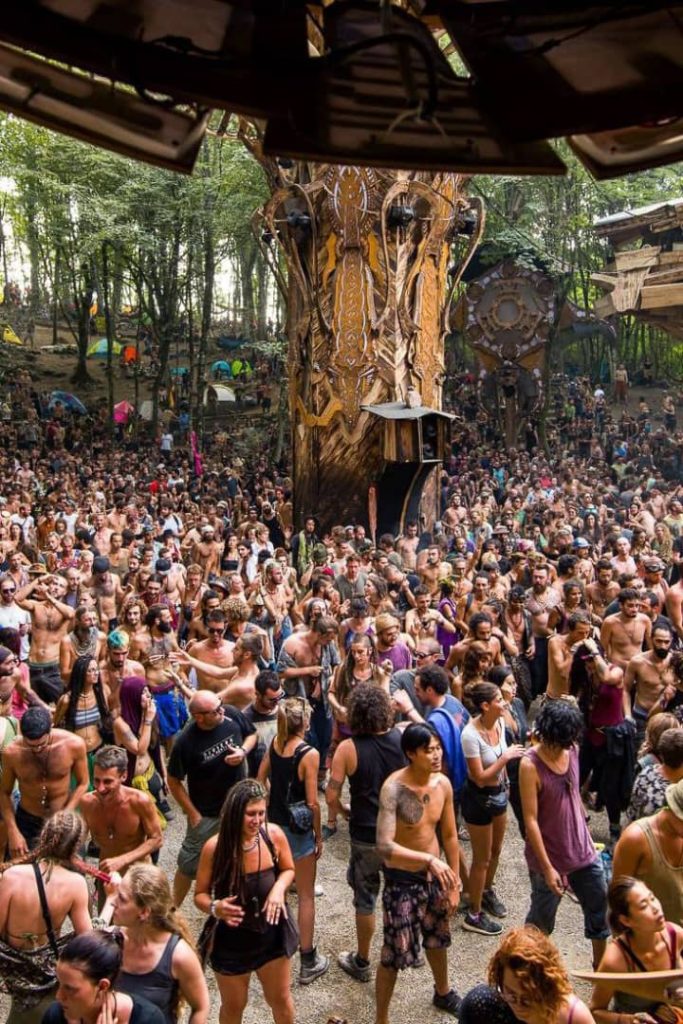
One of the defining features of psychedelic festivals is a strong sense of community. Temporary villages form where collaboration, inclusivity, and shared values are emphasized. Many attendees describe these events as opportunities to reconnect—with others and with themselves—in ways that feel rare in everyday life.
Safety, Harm Reduction, and Responsibility
Responsible festivals prioritize safety through:
Clear codes of conduct
Medical and mental health support teams
Educational harm-reduction resources
The focus is on informed choices, consent, and care, reinforcing that well-being is central to the experience.
Global Influence
Today, psychedelic festival can be found across North America, Europe, Australia, and beyond. Each reflects local culture while sharing common themes of creativity, openness, and exploration. Their influence extends into fashion, visual arts, music production, and contemporary wellness movements.
Conclusion
Psychedelic festivals are more than music events—they are cultural laboratories where art, sound, mindfulness, and community intersect. By emphasizing creativity, education, and connection, these gatherings continue to shape modern festival culture and offer alternative ways to experience togetherness and self-expression.
