
psychedelics
Psychedelic Plant Medicines
Dec
Psychedelic Plant Medicines: History, Culture, Research, and Awareness
Psychedelic plant medicine have played a role in human culture for thousands of years. Today, they are increasingly discussed in the contexts of anthropology, neuroscience, mental health research, and cultural preservation. This article explores psychedelic plant medicines from an educational perspective, focusing on history, ethics, legality, and modern research.
What Are Psychedelic Plant Medicines?
Psychedelic plant medicine are naturally occurring plants that contain compounds known to alter perception, cognition, and consciousness. These plants have historically been used in ceremonial, spiritual, and healing traditions, particularly among Indigenous cultures.
Unlike synthetic psychedelics, plant medicine are embedded in cultural frameworks that emphasize ritual, symbolism, and community.
History of Psychedelic Plant Medicine in Indigenous Cultures
Indigenous communities in South America, Mesoamerica, Africa, and Asia have long-standing relationships with psychedelic plants. These traditions often involve:
Oral knowledge passed across generations
Ceremonial leadership by trained elders
Cultural laws governing respectful use
These practices are deeply spiritual and not recreational in nature.
Types of Psychedelic Plant Medicines Used Worldwide
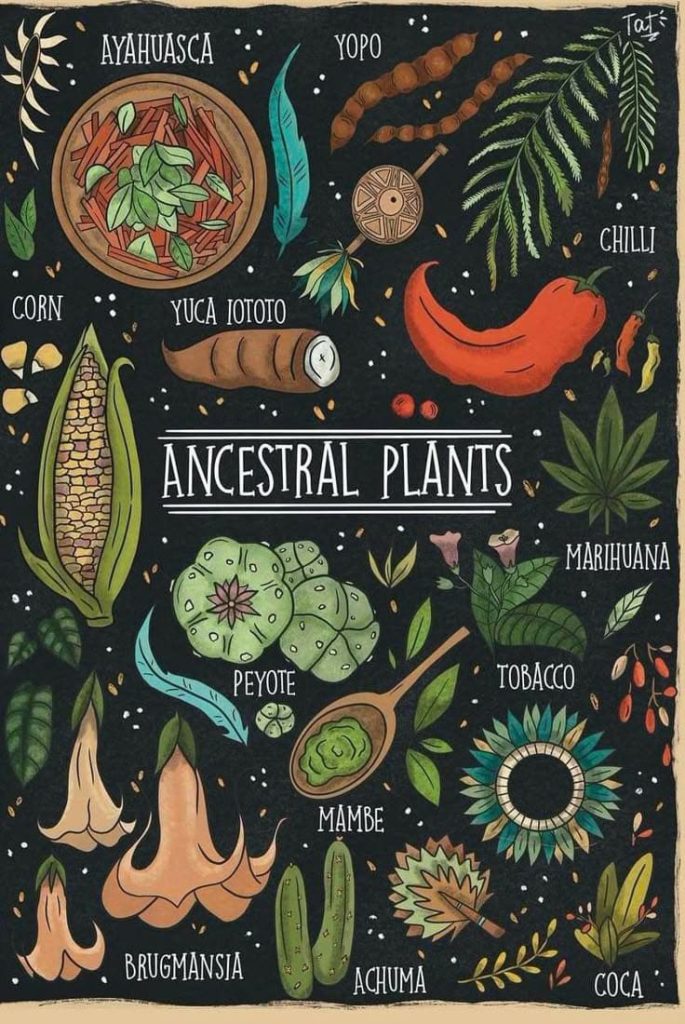
Commonly discussed psychedelic plant medicine in academic and cultural literature include:
Ayahuasca (Amazon Basin)
Peyote and other cacti (North America)
Psilocybin–containing mushrooms (global Indigenous use)
Iboga (Central Africa)
Each has a unique cultural history and symbolic meaning.
Psychedelic Plant Medicines and Traditional Healing Practices
Traditional healing systems view psychedelic plants as tools for insight and balance, often used alongside fasting, chanting, or isolation. Healing is understood as a holistic process, involving emotional, spiritual, and social dimensions.
Modern Research on Psychedelic Plant Medicines
In recent years, scientific research has increased interest in psychedelic plant medicine. Universities and research institutions are studying:
Brain connectivity and consciousness
Emotional processing and perception
Potential therapeutic frameworks
This research is conducted in controlled settings and does not reflect traditional ceremonial use.
Psychedelic Plant Medicine and Mental Health Studies
Preliminary studies suggest that psychedelic compounds may offer insights into depression, anxiety, and trauma, though research is ongoing. Experts stress that findings should not be confused with medical approval or self-treatment.
Cultural Respect and Ethical Considerations
Ethics are central to discussions about psychedelic plant medicines. Key concerns include:
Cultural appropriation
Exploitation of Indigenous knowledge
Environmental sustainability
Commercialization of sacred traditions
Responsible discourse prioritizes education, consent, and respect.
Legal Status of Psychedelic Plant Medicines
Legal frameworks vary worldwide:
Some countries tolerate traditional ceremonial use
Others strictly regulate or prohibit possession
Laws often differ between religious, research, and general contexts
Understanding legality is essential for researchers, travelers, and educators.
Psychedelic Plant Medicine vs Synthetic Psychedelics
Plant medicines differ from synthetic psychedelics in:
Cultural context
Preparation traditions
Symbolic meaning
While both affect perception, plant medicines are often tied to ancestral knowledge systems.
Safety and Risk Awareness
Public health discussions emphasize that psychedelic plant medicines are not risk-free. Potential concerns include psychological distress, medical contraindications, and legal consequences. Education focuses on risk awareness rather than encouragement.
Preparation and Integration in Traditional Contexts
In traditional cultures, preparation and integration are lifelong processes involving:
Community guidance
Moral frameworks
Ongoing reflection
Modern psychology has adopted the term “integration” to describe post-experience meaning-making.
Psychedelic Plant Medicines in Modern Wellness Movements
Interest in mindfulness, meditation, and alternative healing has brought renewed attention to plant medicines. This trend raises important questions about cultural integrity and scientific responsibility.
Environmental Sustainability and Conservation
Some psychedelic plants face environmental pressure due to overharvesting. Conservation efforts stress:
Sustainable cultivation
Respect for natural habitats
Protection of Indigenous land rights
The Future of Psychedelic Plant Medicine Research
Future research is likely to focus on:
Neuroscience and consciousness
Ethical frameworks
Public health education
Cross-cultural collaboration
Experts emphasize cautious, evidence-based progress.
Conclusion
Psychedelic plant medicines sit at the crossroads of ancient tradition and modern science. Understanding their cultural roots, ethical implications, and legal realities is essential for responsible discussion. Education, not promotion, remains the foundation for meaningful dialogue about these powerful elements of human history.
