
psychedelics
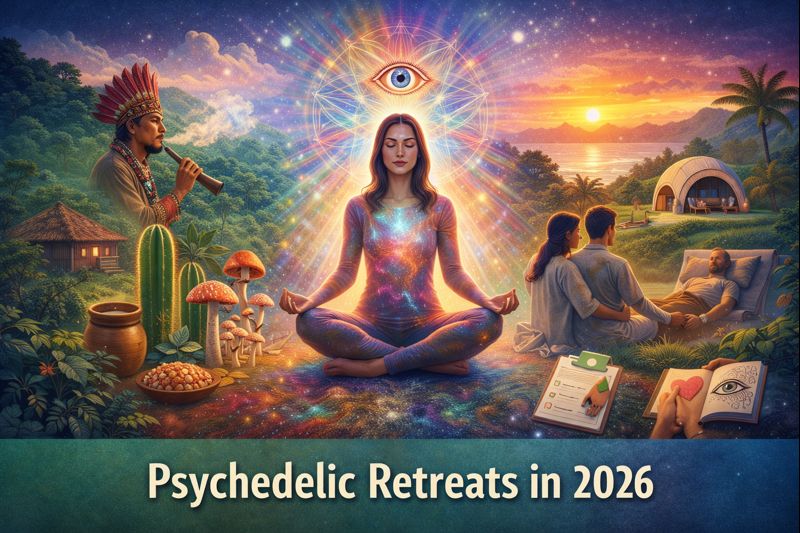
Psychedelic Retreats in 2026
Feb
Psychedelic Retreats in 2026: What You Need to Know
In 2026, psychedelic retreats continue to gain global attention as a transformative wellness trend. Once fringe and underground, these experiences are now part of mainstream conversations about mental health, personal growth, and holistic healing. Whether you’re curious about what a retreat involves, considering your first journey, or evaluating options around the world, this blog post breaks down what psychedelic retreats look like today—why they’re popular, who they’re for, and how to choose one safely.
What Is a Psychedelic Retreat?
A psychedelic retreat is a structured, multi-day program where participants use a psychedelic substance in a ceremonial, guided, and supportive setting. Unlike recreational use, retreats focus on intention, safety, and integration helping people process emotional experiences, examine patterns, and explore consciousness. Read more on wikipedia
Common elements of psychedelic retreats in 2026 include:
- Preparation workshops to set intentions and build trust
- Guided sessions with trained facilitators or therapists
- Integration practices such as journaling, breathwork, and community circles
- Post-retreat support to help participants apply insights to everyday life
Why Psychedelic Retreats Are Trending in 2026
Interest in psychedelic experiences has risen sharply in recent years due to several converging factors:
1. Emerging Research and Clinical Evidence
Studies on substances like psilocybin, MDMA, and ayahuasca have shown promising results for depression, PTSD, anxiety, and existential distress. Scientific backing has made these experiences feel less like “alternative wellness” and more like a legitimate mental health option.

2. Legal and Policy Shifts
While psychedelics are still federally restricted in many countries, cities and states across the U.S., Canada, and Europe have decriminalized or legalized certain plant medicines and experiences. This has opened a pathway for legal retreat centers with medical oversight.
3. Wellness and Lifestyle Integration
People increasingly seek immersive experiences that blend travel, reflection, and community. Psychedelic retreats now sit alongside yoga teacher trainings, meditation intensives, and silent retreats as part of holistic wellness tourism.
4. Focus on Mental Health
With rising global awareness around burnout, anxiety, and trauma, many adults look for experiential ways to address deep-seated issues beyond talk therapy or medication alone.
What Happens at a Psychedelic Retreat?
Retreat offerings vary widely depending on location, facilitators, and the plant medicine used. Some common structures include:
Opening Circle and Intention Setting
Participants share goals, fears, or hopes. Facilitators explain safety guidelines and group agreements. This phase builds emotional safety and psychological readiness.
Ceremonial Sessions
Depending on the retreat, this could involve:
- Psilocybin ceremonies with guided music and eyes-closed introspection
- Ayahuasca ceremonies led by traditional shamans
- San Pedro or iboga sessions with cultural context and music
- Microdosing programs with sub-perceptual dosing over several days
During the session, facilitators are present to support emotional shifts and physical comfort.
Integration Workshops
After the experience, trained practitioners help participants process insights, emotions, and behavioral intentions. Integration is widely considered the most important aspect of long-term benefit.
Movement, Breathwork, and Somatic Practices
Yoga, dance, breathwork, or bodywork sessions are common ways to help participants ground and express what they’ve experienced.
Popular Psychedelic Retreat Destinations in 2026
Retreats exist in many countries, each offering a unique cultural and legal context:
- Costa Rica – Known for ayahuasca and psilocybin retreats with jungle settings
- Peru – Traditional ayahuasca ceremonies with indigenous facilitators
- Netherlands – Legal psilocybin truffle experiences with structured integration
- Mexico – Mazatec mushroom ceremonies in Oaxaca
- Canada – Emerging legal retreat options with therapeutic frameworks
- USA – State-level programs and decriminalized cities with trained facilitators
Safety, Legality, and Ethical Considerations
Before booking a psychedelic retreat in 2026, consider the following:
Legal Status
Psychedelics are still illegal in many parts of the world. Always research local laws and understand your rights and risks before traveling.
Facilitator Training and Credentials
Look for retreats led by trained therapists, clinicians, or experienced facilitators. Trauma-informed care and medical screening are essential.
Integration Support
A retreat without integration support is incomplete. Real change comes from interpreting and acting on insights afterward.
Medical Screening
People with a history of psychosis or certain psychiatric conditions may face higher risks and should consult qualified professionals.
How to Choose the Right Retreat for You
Here are questions to ask before committing:
- What substances are used and are they legal in that country?
- What is the facilitator’s training and background?
- How many participants are in each group?
- What safety protocols and medical support are in place?
- What integration resources are offered after the retreat?
Final Thoughts: Are Psychedelic Retreats Worth It in 2026?
For many people, retreats offer powerful experiences of self-reflection, emotional healing, and expanded awareness. However, they’re not a quick fix or guaranteed solution. Success depends on intention, preparation, safety, and thoughtful integration.
As we move deeper into 2026, psychedelic retreats continue to evolve shifting from underground ceremony to structured wellness journeys with increasing emphasis on science, ethics, and mental health.
If you’re considering a psychedelic retreat, approach it with respect, caution, and curiosity. With the right framework, it can be a life-enhancing experience but like all significant journeys, the benefits begin long before the doors open and last far beyond when they close.
Frequently Asked Questions (FAQs)
1. What are psychedelic retreats in 2026?
Psychedelic retreats in 2026 are structured wellness programs where participants engage in guided psychedelic experiences—often using substances like psilocybin or ayahuasca—combined with preparation, integration, and therapeutic support.
2. Are psychedelic retreats legal in 2026?
Legality depends on the country, state, or city. Some locations allow specific substances through decriminalization or regulated frameworks, while others operate in legal gray areas. Always research local laws before attending.
3. What substances are commonly used at psychedelic retreats?
Common substances include psilocybin mushrooms or truffles, ayahuasca, San Pedro cactus, iboga, and in some cases MDMA or microdosing protocols, depending on local regulations.
4. Who should consider attending a psychedelic retreat?
People seeking personal growth, emotional healing, spiritual exploration, or mental health support may consider a retreat. However, they are not suitable for everyone, especially individuals with certain psychiatric conditions.
5. Are psychedelic retreats safe?
Reputable retreats prioritize safety through medical screening, trained facilitators, clear dosing protocols, and integration support. Safety varies widely, so choosing an experienced and ethical retreat center is critical.
6. What happens during a typical psychedelic retreat?
Most retreats include preparation sessions, one or more guided ceremonies, group discussions, integration workshops, and complementary practices such as meditation, breathwork, or yoga.
7. How long do psychedelic retreats usually last?
Retreats typically last between three and ten days, depending on the program structure and the number of guided sessions offered.
8. How much do psychedelic retreats cost in 2026?
Costs vary widely, ranging from a few thousand dollars to luxury experiences costing significantly more. Pricing often reflects location, facilitator experience, accommodations, and level of support.
9. What is integration, and why is it important?
Integration is the process of making sense of psychedelic experiences and applying insights to daily life. It is essential for long-term benefits and is often supported through coaching, therapy, or group discussions.
10. How do I choose the right psychedelic retreat?
Look for transparent legal practices, experienced facilitators, medical screening, small group sizes, and strong integration support. Reviews, referrals, and clear communication are key indicators of quality.
