
Uncategorized
what is the difference between hemp and marijuana
Dec
Hemp and marijuana are often spoken about as if they are completely different plants, but in reality, they both come from the same species: Cannabis sativa. The real difference between hemp and marijuana is not how they look or where they grow, but how they are defined and regulated under the law. This distinction affects how cannabis is grown, tested, sold, and legally accessed.
Understanding the difference between hemp and marijuana is important for consumers, businesses, and anyone trying to navigate modern cannabis laws.
The Legal Difference Between Hemp and Marijuana
The primary difference between hemp and marijuana is the amount of THC the plant contains. THC, or tetrahydrocannabinol, is the compound most commonly associated with cannabis intoxication.
In the United States, hemp is legally defined as cannabis that contains 0.3 percent THC or less by dry weight. Any cannabis plant that exceeds this THC threshold is legally classified as marijuana. This single measurement determines how the plant is regulated, taxed, and sold.
Because of this definition, hemp is federally legal, while marijuan is regulated at the state level and may be legal or illegal depending on local laws.
How Hemp Is Regulated
Hemp is regulated primarily as an agricultural product. It is overseen by federal and state agriculture departments rather than cannabis control agencies. Farmers who grow hemp must follow approved programs and ensure their crops remain below the legal THC limit.
Hemp is commonly used for industrial purposes such as textiles, paper, and building materials. It is also used in food products like hemp seeds and hemp oil, as well as in non-intoxicating cannabinoid products. Since hemp contains very low levels of THC, it does not produce intoxicating effects.
How Marijuana Is Regulated
Marijuana refers to cannabis that contains more than 0.3 percent THC. Because of its higher THC content, marijuana is subject to much stricter regulation.
In states where marijuana is legal, it is regulated through licensed cannabis programs. These programs require growers, processors, and retailers to follow detailed rules related to security, packaging, labeling, and laboratory testing. Marijuana products sold through licensed dispensaries must be tested for potency, contaminants, and overall safety.
This regulatory framework exists to protect public health and ensure accountability within the legal cannabis market.
Appearance Does Not Determine the Difference
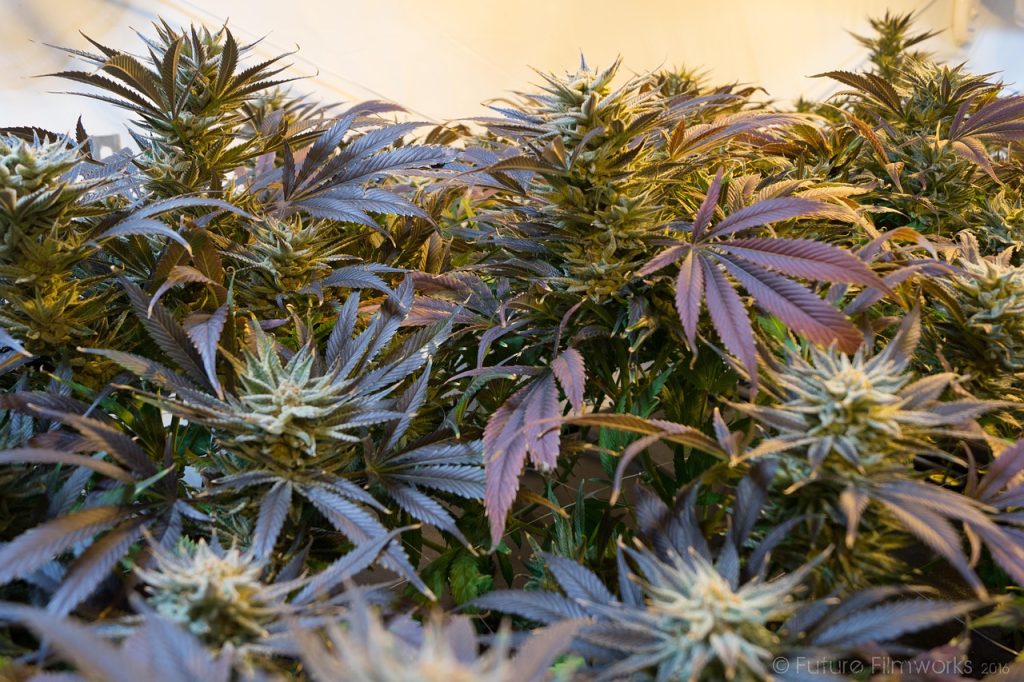
One common misconception is that hemp and marijuana look different. In reality, the two can appear almost identical. The shape of the plant, its leaves, and even its smell are not reliable indicators of whether it is hemp or marijuana.
The only way to determine whether a cannabis plant is legally hemp or marijuan is through laboratory testing that measures THC levels. This is why testing plays such a critical role in cannabis compliance.
Why the Difference Matters
The distinction between hemp and marijuana affects everything from legality to consumer expectations. It determines how products are regulated, how businesses are licensed, and which government agencies oversee them.
For consumers, understanding this difference helps explain why some cannabis products are widely available while others are restricted to licensed dispensaries. It also highlights the importance of purchasing cannabis from regulated sources that follow testing and safety requirements.
The Bottom Line
Hemp and marijuana are not different species of plants. They are legally distinct classifications of cannabis based on THC content. Hemp contains 0.3 percent THC or less and is regulated as an agricultural commodity. Marijuana contains more than 0.3 percent THC and is regulated through state cannabis programs.
Knowing the difference helps clarify cannabis laws and supports informed, responsible participation in legal cannabis markets.
Frequently Asked Questions
Is hemp the same as marijuana?
No. While both come from the cannabis plant, hemp and marijuana are legally defined based on THC content and are regulated differently.
Why is hemp legal but marijuana regulated?
Hemp contains very low levels of THC and does not cause intoxication, which is why it is regulated as an agricultural product rather than a controlled substance.
Can hemp products make you feel intoxicated?
Hemp contains minimal THC and does not produce intoxicating effects when it meets legal standards.
How can you tell if cannabis is hemp or marijuana?
You cannot tell by appearance alone. Laboratory testing is required to determine THC levels.
Do hemp and marijuana come from the same plant species?
Yes. Both hemp and marijuan come from Cannabis sativa.
